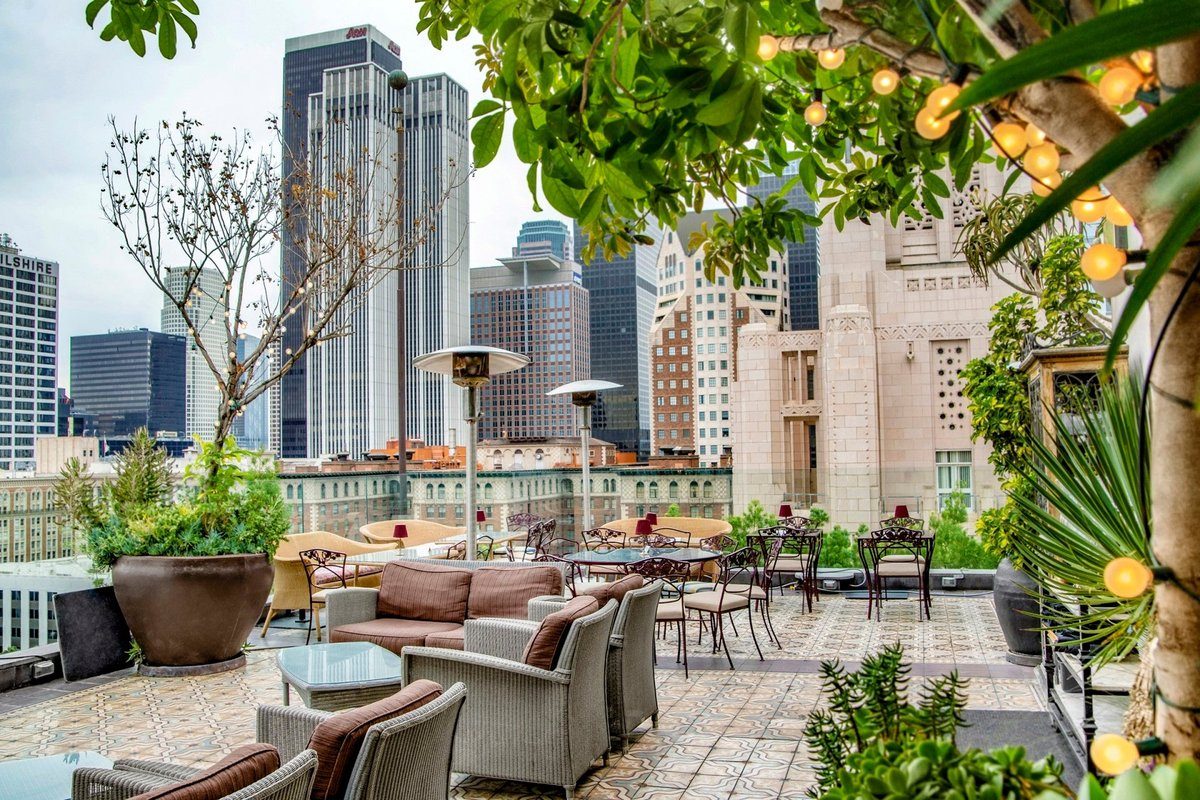
Los Angeles has a particular talent for selling altitude. A skyline, a breeze, a cocktail that photographs itself. What it offers less often is a clear reason to stay—or a next stop that does not feel like a scramble.
Double Tap’d treats rooftops as chapters, not destinations. The question is never “which has the best view?” It is “what job does this place do in the night you are actually trying to have?”
Start with the job of the night
Sunset-first nights want height, timing, and an exit strategy. Dinner-first nights want a kitchen that can hold a table, not just a railing. Birthday energy wants space to gather without apologizing to the neighboring booth. Final-view nights want quiet enough to hear the person across from you.
When the assignment is clear, the shortlist shrinks. You stop collecting places and start sequencing them. One open, one hold, one soft landing.
One open, one hold, one soft landing—that’s the whole edit
Golden hour is a deadline, not a mood
Arrive too early and you are killing time in daylight that flatters nothing. Arrive too late and you inherit the rush—menus half-heard, seats half-won. The useful move is to treat the light as a booking constraint: reserve for the window, not the Instagram hour stamped on someone else’s feed.
Bring a second stop already chosen. The best rooftop evenings in LA end somewhere with better food, better sound, or simply a chair that does not require a weather policy.
Hotel context changes the math
A rooftop attached to a stay behaves differently from a standalone bar. Valet, room key, and the option to disappear downstairs reshape how long people linger. For visitors, that friction drop is half the appeal. For locals, it can be the difference between “one drink” and a night that accidentally becomes dinner.
Ask what the room below the roof is for. If the answer is only “views,” keep walking the list.
Groups need a different map
Six people change everything: seating, noise, the politics of the check. Look for places that can absorb a late arrival without turning the table into a negotiation. Look for staff who can suggest a next room when the wind picks up. Look for a sidewalk or lobby that does not punish the people waiting for the last rideshare.
The route is the product. The rooftop is just the first good paragraph.
What we keep editing for
We keep returning to places that know their role—places that feel considered when the light drops and the city turns on. Not every rooftop needs to be a destination. Some only need to be an excellent first chapter